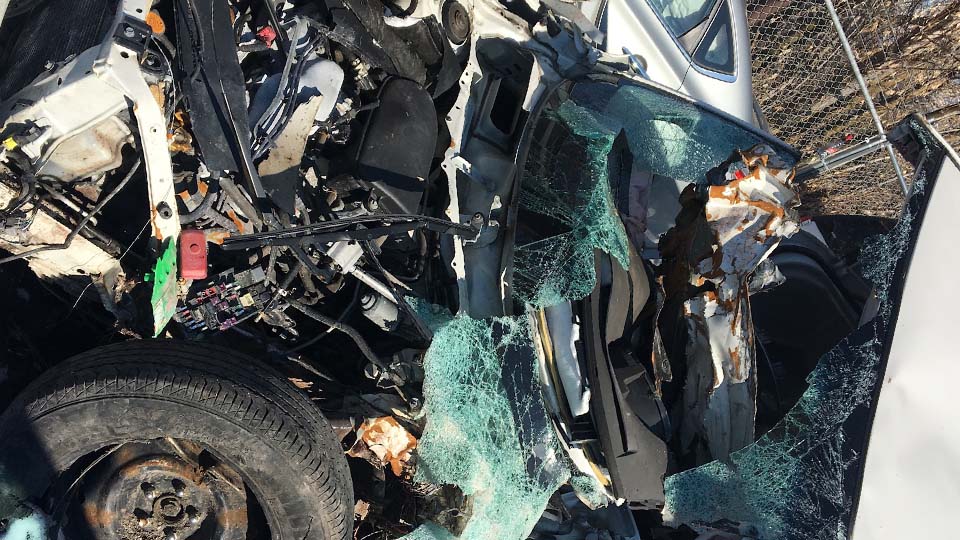
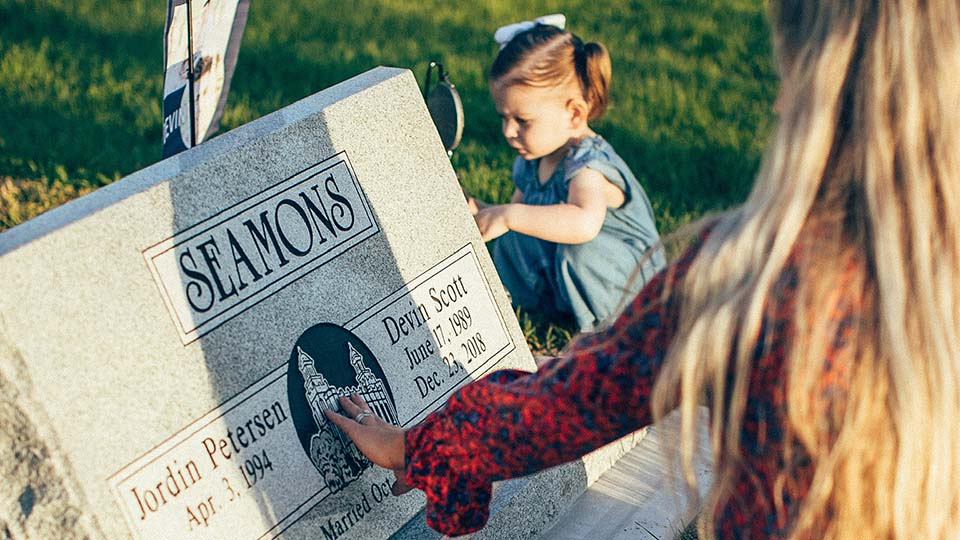
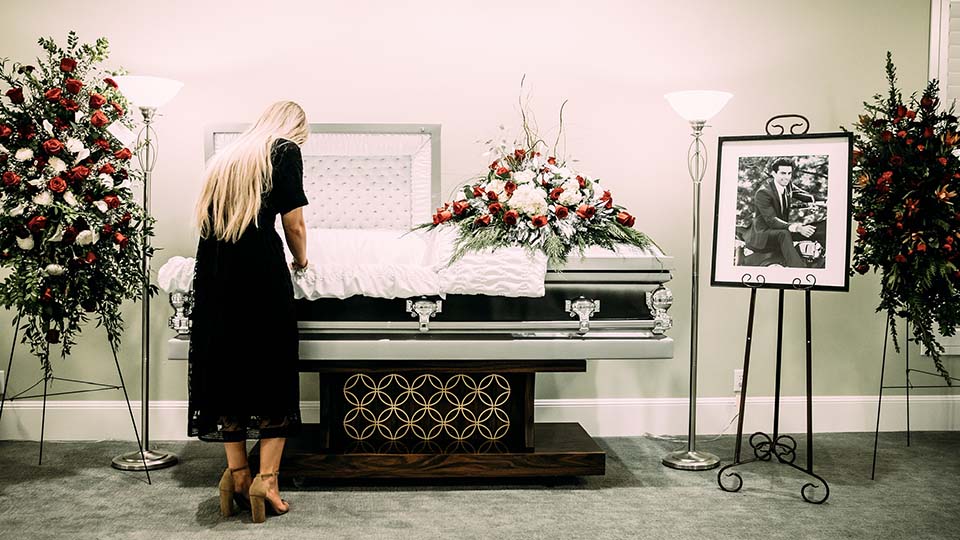
“Do I believe it was destiny or that it was his time? Not even close. This is the result of drowsy driving!“
– Jordin Petersen Seamons
You Are More Likely to Fall Asleep at the Wheel If You Meet These Criteria:
You are sleep-deprived or feel exhausted (getting six hours or less of sleep triples your risk)
You drive more than 100 miles or for two hours without proper breaks
You drive alone (having someone else helps you stay alert)
You drive on a long, rural, or dark road
You drive at night, in the middle of the afternoon, or at a time when you normally sleep
You take sedating medications, such as antidepressants, cold pills, or antihistamines
You work more than 60 hours a week (this increases your risk by 40 percent)
You suffer from insomnia poor sleep, or sleep apnea
Warning Signs of Drowsy Driving Include the Following:
Difficulty focusing, constant blinking, or heavy eyelids
Daydreaming or wandering thoughts
Difficulty remembering the last few miles driven
Constant yawning or eye rubbing
Difficulty holding your head up
Drifting out of your lane, tailgating, or catching a bumpy road
Feeling restless and irritable
Don't be a Bob
Never risk driving while drowsy. Pull over, ask another driver to take your place, and find a safe place to sleep. Driving while drowsy isn’t worth risking your life or the lives of others.
When Drivers are Feeling Drowsy, You Should First Stop and then Do the Following:
Change drivers
Take a 10- to 20-minute nap
Get out of the car and stretch or jog for a few minutes
Eat a snack
Find a safe place to sleep for the night
Staying awake for 18 hours is equivalent to being intoxicated
People with an average of 6 hours of sleep or less are 3 times more likely to crash
Drivers under 25 are involved in42 percentof drowsy driving crashes