Remembering and following the basics of safe driving can prevent crashes and fatalities on the road. Some of the basics include: always wearing a seat belt, obeying road signs and traffic signals, keeping a safe distance from vehicles, maintaining a reasonable speed and avoiding texting or eating while driving so you can be aware of your surroundings.
Protect Our Kids.
Stop for the Bus. Every Time.
This safety video is a crucial reminder for all drivers about the importance of adhering to stop arm laws when approaching a school bus.
By understanding the rules and recognizing the risks, we can all play a part in keeping our roads safe. Please take a moment to watch the video and learn how you can help protect the lives of children in your community.
Rules of the Road Basics
Following Distance
Keep a safe distance from other vehicles. The more space you allow between your vehicle and other roadway users, the more time you have to react. This is called a space cushion. Always try to maintain a safe space cushion around your vehicle.
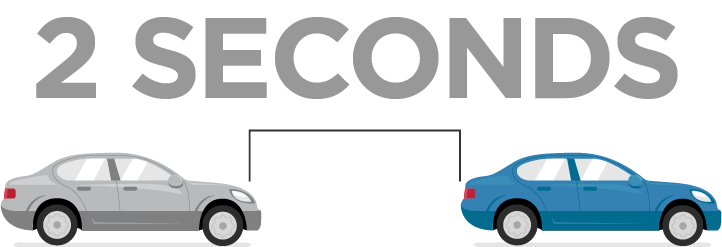
Keep at least two seconds between your car and the vehicle in front. Watch when the rear of the vehicle ahead passes a sign, pole or any other fixed point. Count the seconds it takes you to reach the same point (one-thousand-one, one-thousand-two.) You are following too close if you pass that point before counting two seconds. Slow down and check your new following interval. Repeat until you are following no closer than two seconds.
Increase your following distance at night, following a semi-truck or on wet, slick roads.
Changing Lanes
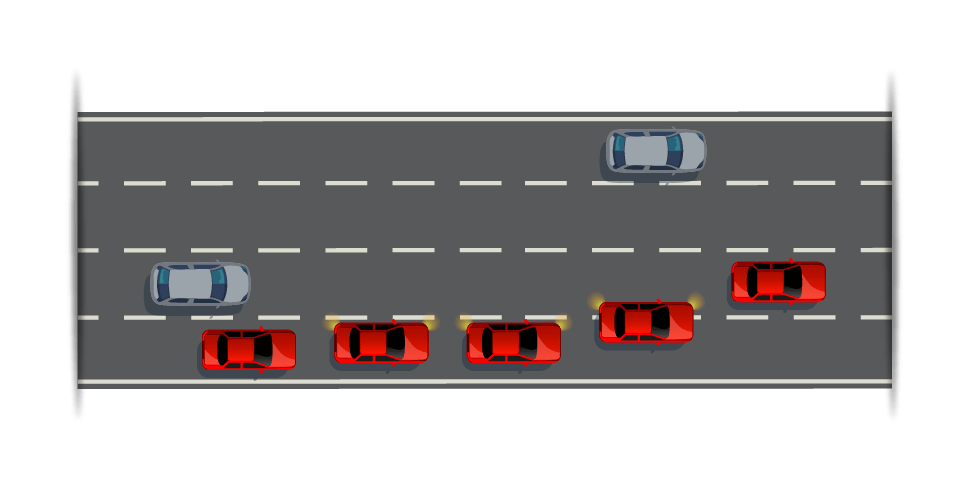
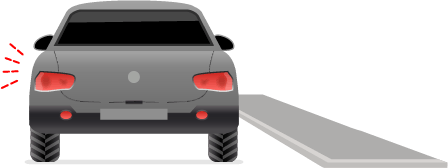
When changing lanes, you must be aware of traffic in front, sides and behind you. This includes looking for bicyclists, motorcyclists and pedestrians. Make the necessary traffic checks first by looking in your mirrors and checking your blind spots by looking over your shoulder (head check).
Make sure you use the correct turn signal and smoothly change lanes when it is safe to do so. Cancel your turn signal upon completion and check traffic.
Do not change lanes while proceeding through the intersection.
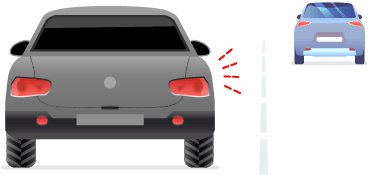
It is only safe to move into the lane of a semi-truck when you can see the headlights of the semi-truck in your rearview mirror.
Turning and Stopping
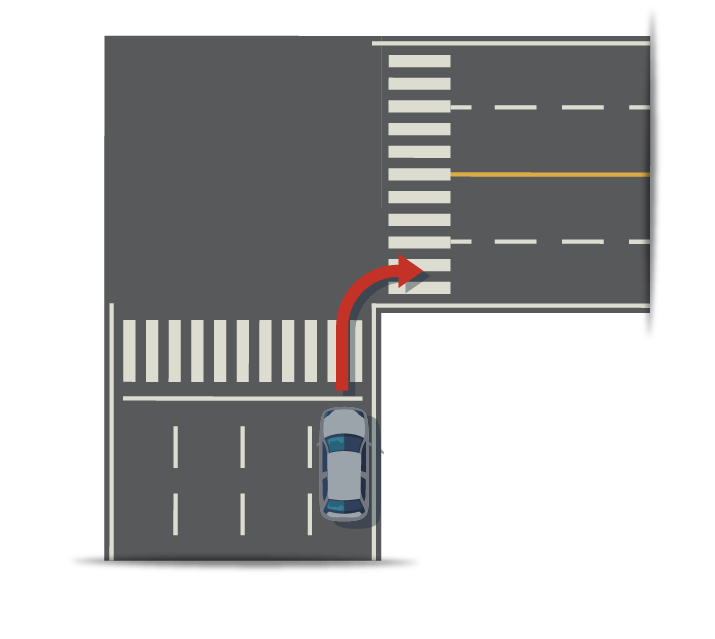
You may make a right turn on a red light only after coming to a full and complete stop, unless posted otherwise.
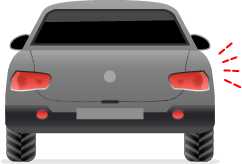
When stopping behind another vehicle make sure you can see the rear wheels of the vehicle in front of you.
Check your mirrors and blind spots before changing lanes or making a turn.
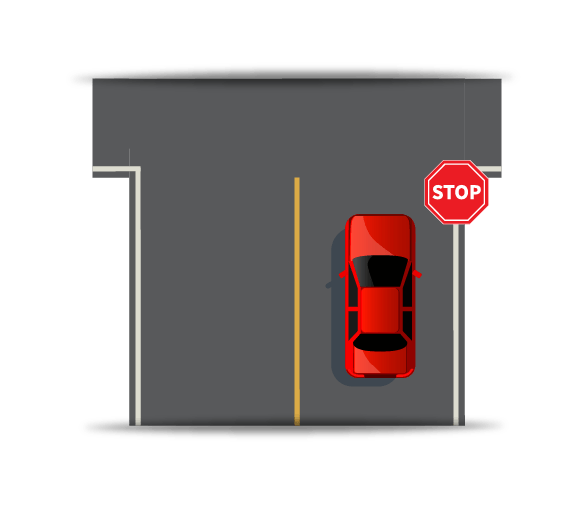
You are not allowed to park within 30 feet of any flashing beacon, stop sign, yield sign or traffic control signal.
When turning left, turn in the left-most lane, the one directly to the right of the center lane.
Many pedestrian and bicycle-motor vehicle crashes happen when vehicles are turning. Take extra care when turning, look twice for pedestrians and bicyclists.
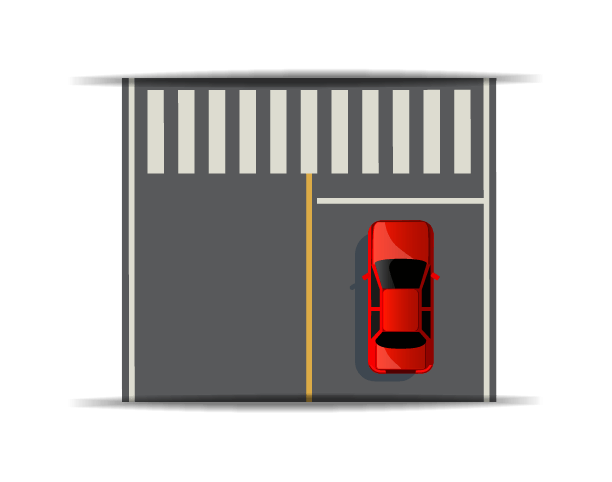
At a stop sign or signal, you must stop behind the stop line or crosswalk.
If crosswalks are not marked, then you must stop before the intersection or stop sign.
General Driving
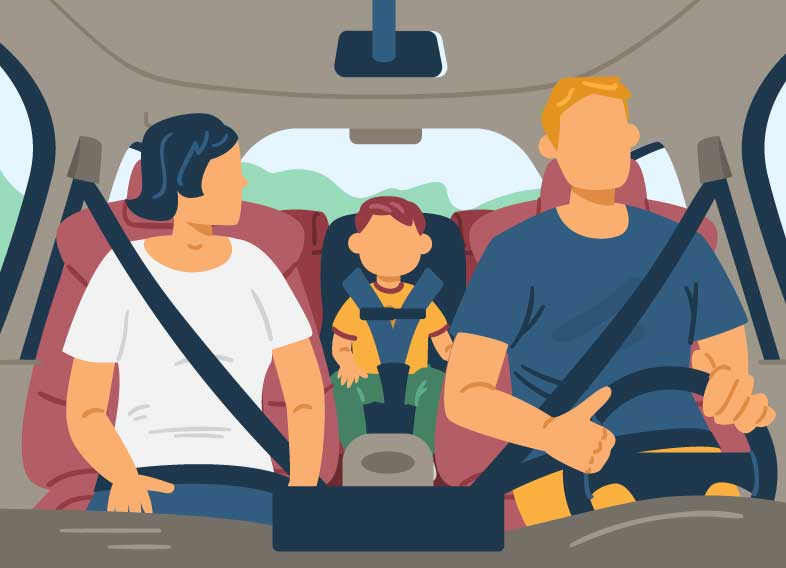
Wear your seat belt every trip, every time. Seat belt use isn’t just a personal decision, it affects everyone in the vehicle, and on the road.
Avoid distracted driving, including using mobile phones while driving.
Adjust your driving behavior to weather and road conditions.
Move over for emergency vehicles. This can be an ambulance, police, fire or other emergency vehicle either traveling in the roadway or stopped on the side of the road. Never drive under the influence of alcohol, drugs or other impairing substances.
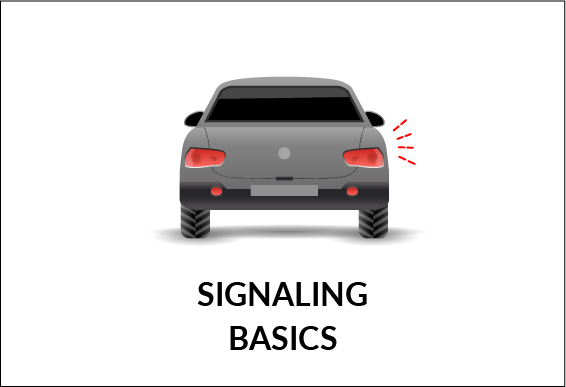
Signaling Basics
Good drivers always signal their intentions well in advance. Signals are required:
For two seconds before turning.
For two seconds before beginning any lane change.
Any time you pull away from a curb.
Right-of-Way Basics
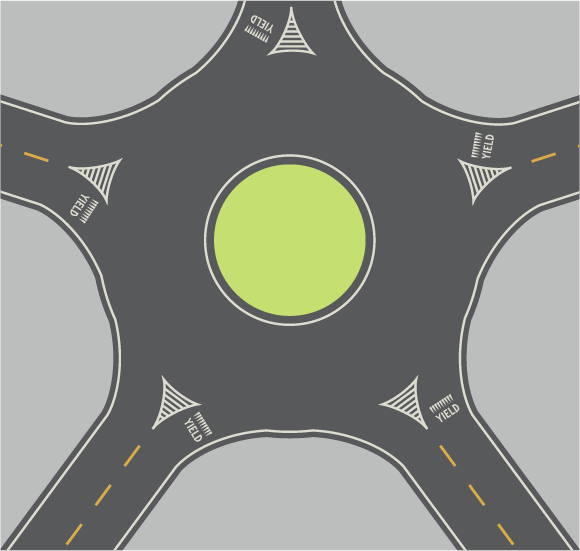
Navigate a Roundabout
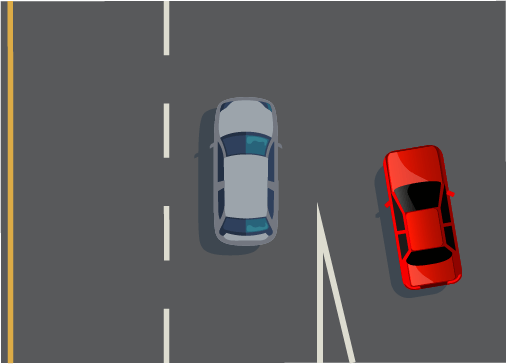
Merge Properly
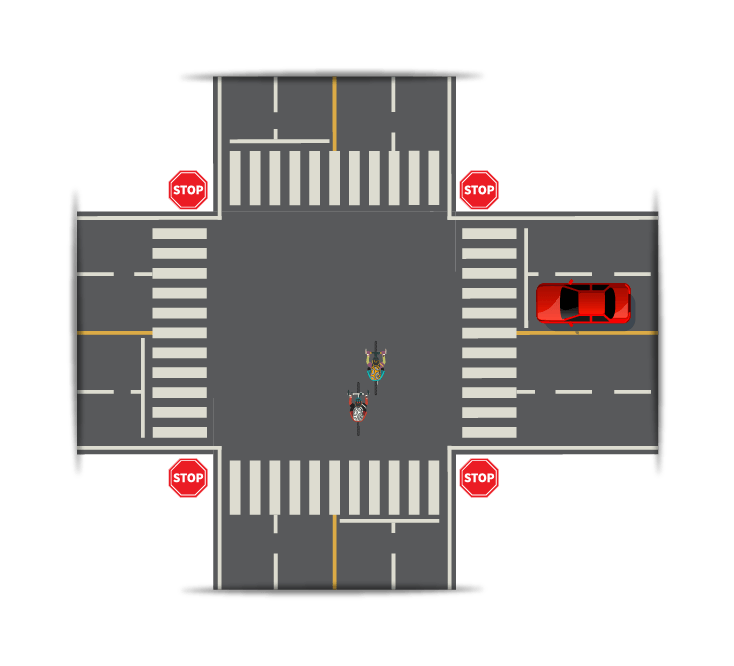
Four-Way Stop
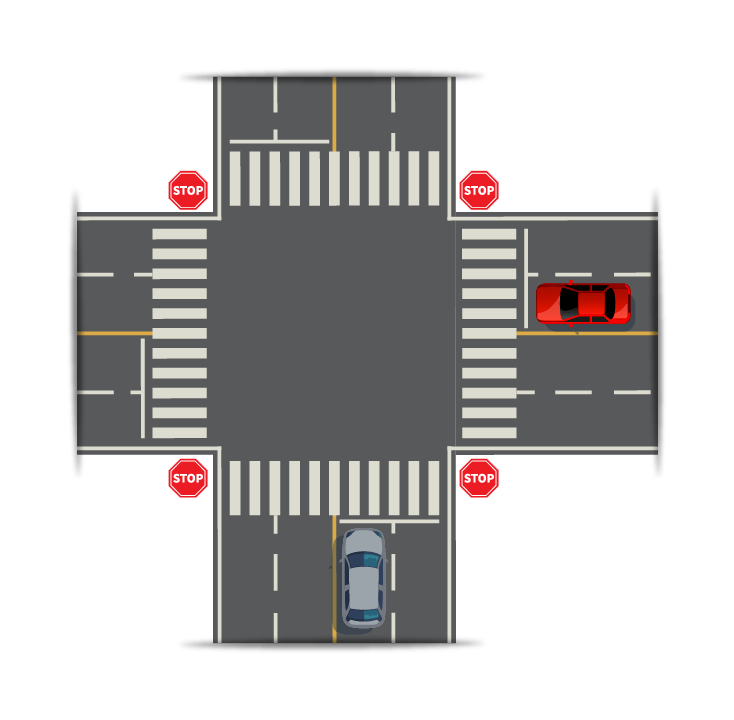
If two drivers arrive at a four-way stop at the same time, yield the right of way to the driver on the right.
Yield the Right-of-Way
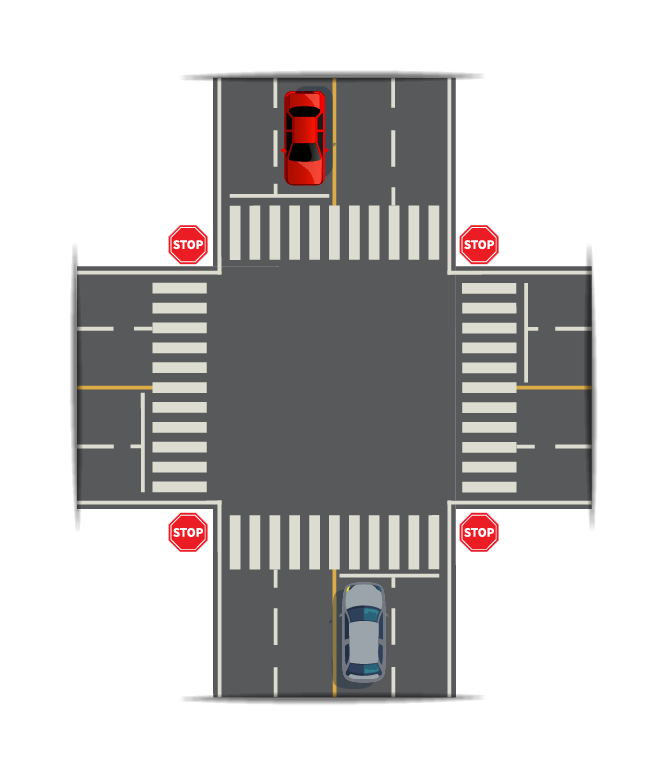
To a driver who is at the intersection before you.
Yield the Right-of-Way
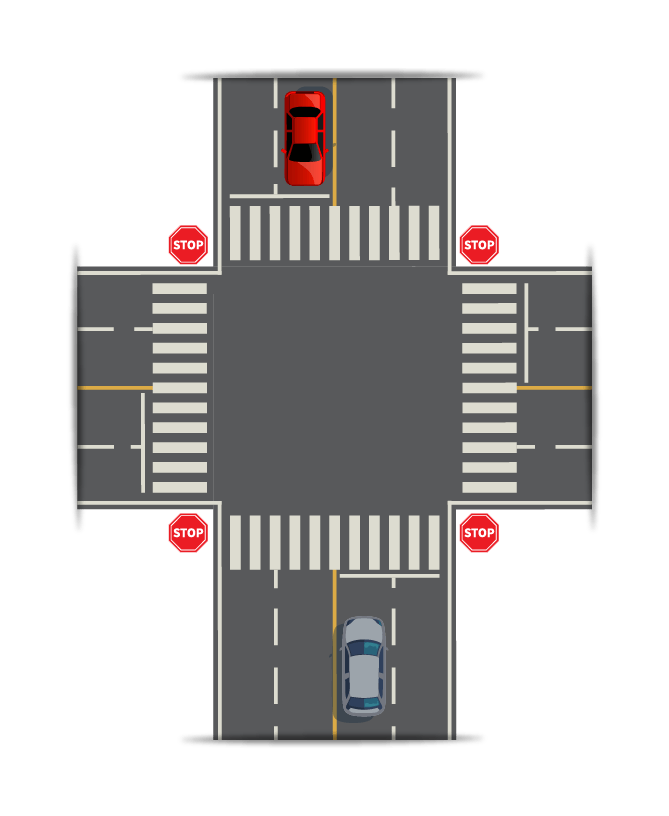
To drivers in the opposite lane when you are making a left turn.
Yield the Right-of-Way
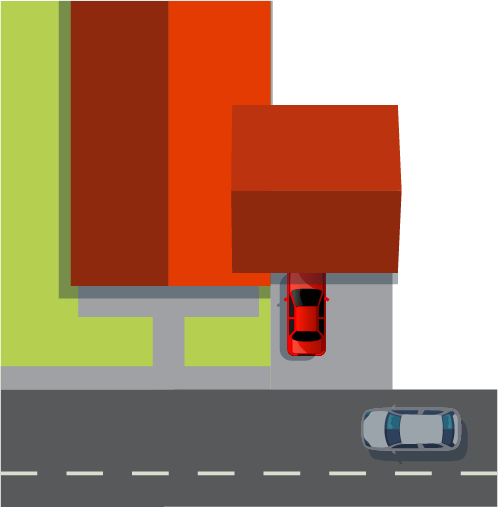
To drivers on a public road if you are coming from a driveway or a private road.
Yield the Right-of-Way
To drivers already on an interstate highway if you are on the entrance ramp.
Yield the Right-of-Way
To pedestrians, bicyclists, and others that are still in the intersection.
In a Roundabout
Entering traffic yields the right-of-way to traffic in the circle.
Vulnerable User Basics
Stop at the Stopline or Stop Sign
One of the most important traffic laws to follow. It is essential to ensure your safety, as well as the safety of other drivers and pedestrians on the road. Remember, stop lines and stop signs are not just suggestions – they are the law.
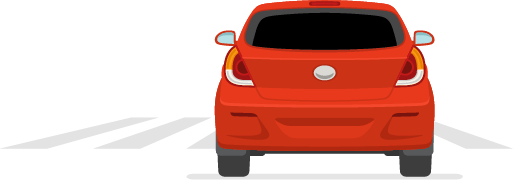
If Crosswalks are Not Marked
You must stop before the intersection or stop sign. You must yield to pedestrians entering or in a crosswalk, even if it is not marked. You are not allowed to park within 20 feet of a crosswalk.
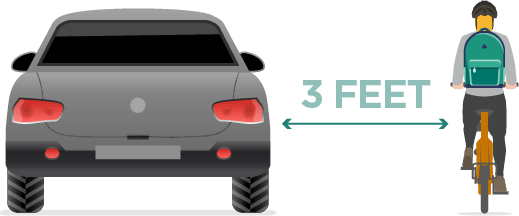
Give Cyclists at Least 3 Feet
Give them as much space as you can. Utah law requires a minimum three feet of distance from any bicyclist or vulnerable user of the highway you are passing.